
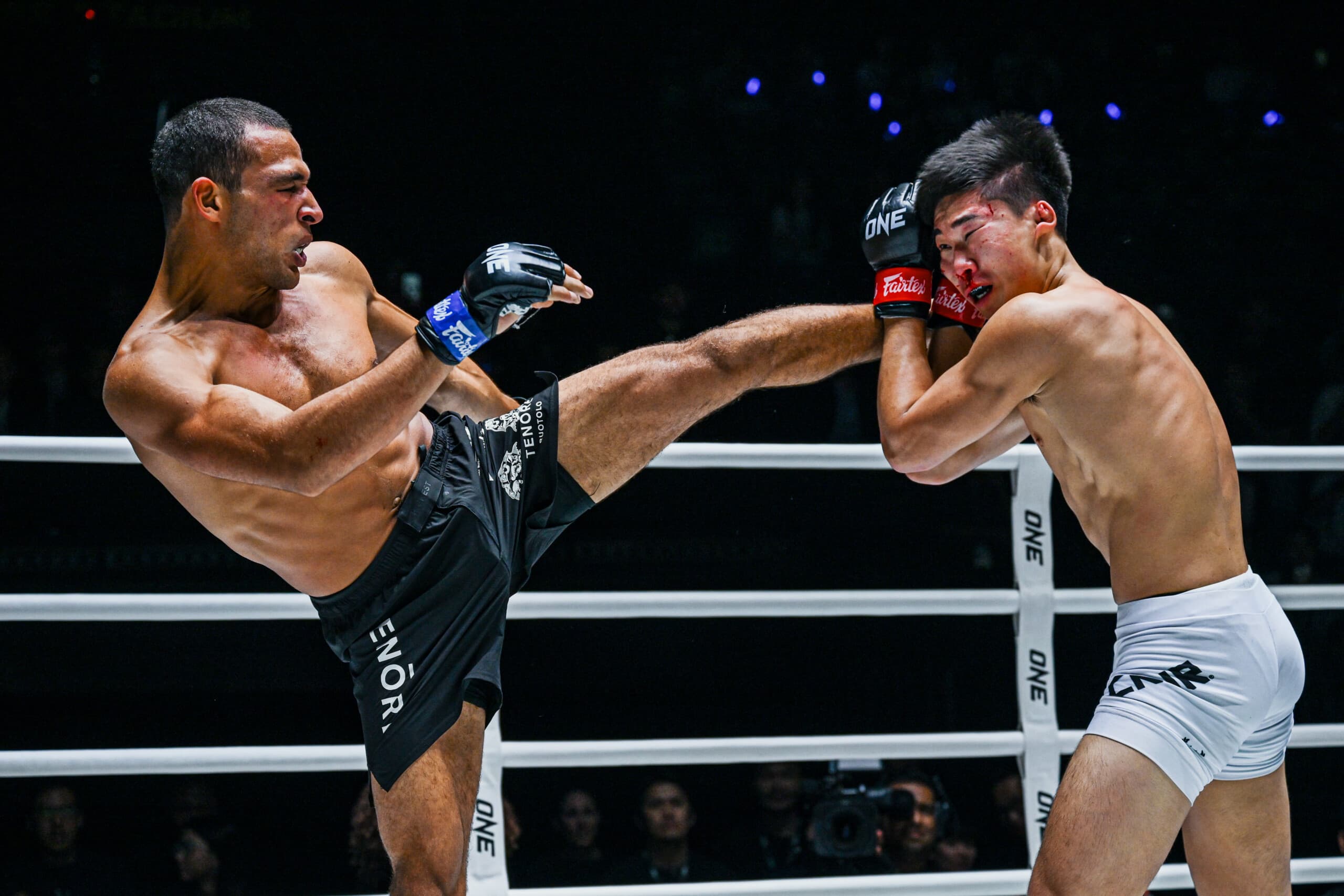
Follow Kickboxing Tournament Brackets Like a Pro
 Lukas
LukasA kickboxing tournament bracket is the structural map that determines which fighters meet, when they fight, and how a champion is crowned over the course of a single event night. For fans watching events like GLORY 108's Last Featherweight Standing or the WKA US Nationals, understanding that map transforms passive viewing into genuine analytical engagement. This follow kickboxing tournament bracket guide breaks down how brackets are built, how scoring shapes who advances, and how platforms like FightControl.net let you track every result in real time. Know the structure, and the drama makes complete sense.
How to follow kickboxing tournament brackets from start to finish
Kickboxing tournament brackets are knockout trees, not round-robin tables. One loss and you're out. That single fact defines the entire viewing experience, because every bout carries elimination weight. The bracket begins with a set number of fighters, typically four or eight, seeded into quarterfinal or semifinal slots, with winners advancing to the final on the same night.
The most important thing to understand about bracket structure is that it is never truly final until the fighters step on the scale. Final brackets are published 2 to 3 hours after weigh-ins, and late reassignments are standard procedure, not exceptions. A fighter who misses weight or withdraws can shift every slot below them. That means the bracket you see posted three days before the event may look nothing like the one printed in the program on fight night.

One-night formats compress the entire tournament into a few hours of live action. At GLORY 108 in Tokyo on June 6, 2026, the Last Featherweight Standing semifinals and final were scheduled together on the same card. This format is brutal in its simplicity: win twice in one night or go home. Fans tracking these events need to recognize which bouts are tournament fights and which are separate main card matchups, because both appear on the same event schedule.
| Bracket format | Structure | Same-night finals? |
|---|---|---|
| Last Standing (4-man) | Semifinals + Final | Yes |
| 8-man Grand Prix | Quarterfinals + Semis + Final | Yes (compressed) |
| League/Round-Robin | Multiple nights | No |
| WKA Nationals | Weight-class pools, single elimination | Yes per division |
Pro Tip: Screenshot the bracket immediately after weigh-in results drop. That version, not the pre-event release, is the one that reflects actual matchups.
What rules and scoring methods influence bout outcomes within a bracket?
Scoring in kickboxing is not subjective theater. Points are awarded for specific techniques: punches to the head and body, kicks to the head and body, and sweeps that put an opponent on the canvas. Each technique carries a defined point value, and judges score each round independently. The fighter who lands cleaner, harder, and more frequently on legal targets wins the round. Win enough rounds, and you advance in the bracket.
Understanding this scoring framework changes how you watch a fight. Instead of waiting for a knockout to tell you who won, you read the fight as it unfolds. A fighter absorbing body kicks in round one is losing points, not just taking punishment. A sweep that sends an opponent down scores immediately and shifts the round's momentum on the judges' cards.
"Explaining scoring anchors — punches, kicks, throws — transforms fan engagement from outcome-only to understanding fight dynamics." This is the difference between watching kickboxing and reading kickboxing.
Bout durations and round structures vary by event and competitor category. WKO amateur rules specify variable bout lengths depending on tournament stage and fighter classification, meaning a semifinal may run three rounds while a final runs five. That structural difference matters when you are tracking cumulative damage across a one-night tournament, because a fighter who goes the distance in a grueling semifinal enters the final with less in the tank.
Official stoppages also shape bracket outcomes in ways that printed results rarely capture. Referees and officials hold full authority to stop contests, and formal protest processes exist for disputed decisions. A technical knockout, a corner stoppage, or a referee's standing count all count as official results that advance one fighter and eliminate the other. Knowing the difference between a TKO and a points decision helps you interpret why a fighter looks fresh or spent heading into the next round of the bracket.
Key scoring actions to watch during any tournament bout:
- Punches to the head and body: The baseline of every exchange, scored for clean contact and power.
- Kicks to the head: High-value techniques that shift round scores rapidly when landed clean.
- Kicks to the body: Accumulative damage tools, particularly calf kicks and liver shots, that erode a fighter's mobility over multiple rounds.
- Sweeps and throws: Instant scoring actions that also carry psychological weight, disrupting rhythm and confidence.
- Knockdowns: Automatic point bonuses that can override a round's prior scoring in many rule sets.
How to track kickboxing brackets in real time during events
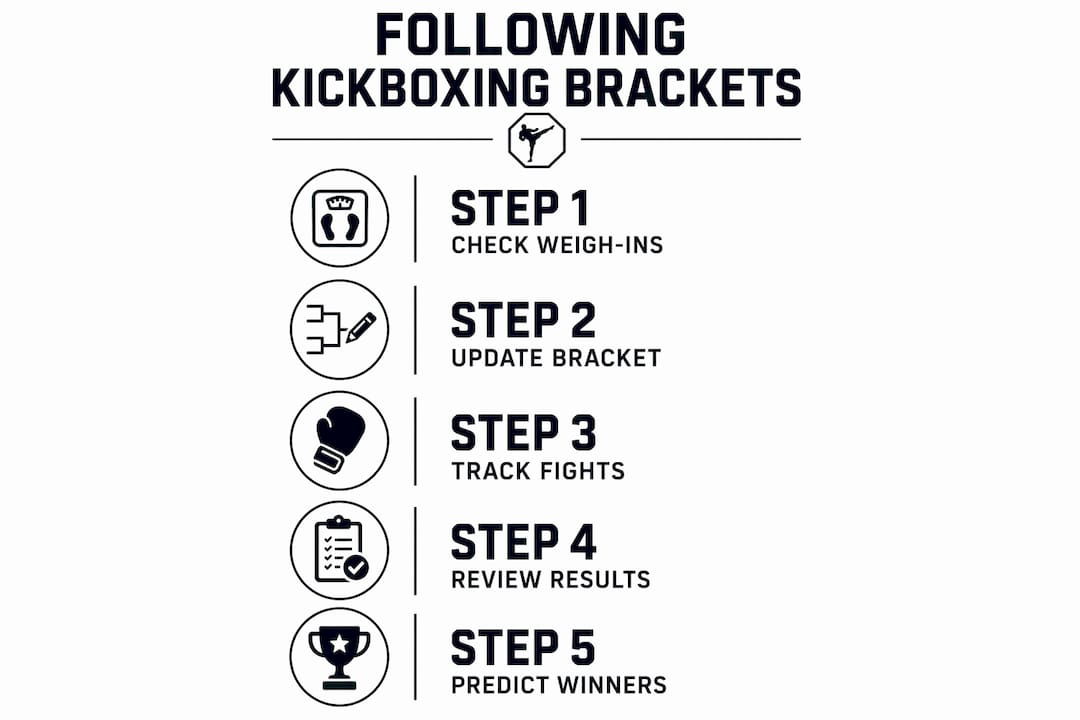
Real-time bracket tracking requires the right tools and a clear mental model of what you are looking for. Here is a practical sequence for following any kickboxing tournament from the opening bell to the final decision.
- Confirm the bracket post weigh-ins. Check the official event page or the promotion's social media accounts within two hours of weigh-in results. This is the only version of the bracket that reflects actual matchups.
- Load FightControl.net if the event uses it. FightControl.net provides live-updating match lists and electronic judge forms that spectators can monitor in real time. Results populate as officials submit them, which is faster than most social media updates.
- Identify tournament bouts versus non-tournament bouts. Most event schedules label bracket fights with stage markers like "Semifinal" or "Final." Non-tournament bouts on the same card do not affect bracket progression. Confusing the two is the most common mistake new fans make.
- Track fighter names against bracket slots. After each tournament bout, mentally or physically update your bracket. Write the winner's name into the next slot. This keeps the progression clear even when commentary skips between fights.
- Monitor official announcements for protests or reversals. Disputed decisions occasionally trigger formal reviews. Follow the promotion's official channels rather than fan accounts for confirmed results.
- Cross-reference with fighter records. Platforms like Kickboxhub let you pull up fighter profiles and records mid-event to contextualize what you are watching. Knowing a fighter's knockout ratio or recent form sharpens your read on how a bout is unfolding.
| Tracking tool | Speed | Reliability | Best for |
|---|---|---|---|
| FightControl.net | Real-time | High (official input) | Live bracket updates |
| Promotion's official social | Near real-time | High | Confirmed results |
| Fan Twitter/X accounts | Immediate | Variable | Early reports, unverified |
| Kickboxhub event pages | Post-event | High | Full results and records |
Pro Tip: Turn on notifications for the promotion's official Instagram or X account before the event starts. Official posts confirming results are faster than waiting for broadcast commentary to catch up.
Common challenges and adjustments when following kickboxing brackets
Even experienced fans get caught off guard by bracket changes. The most disorienting moment in tournament viewing is when a fighter you expected to see in the semifinal is suddenly listed in a different weight class or replaced entirely. These shifts are not errors. They are built into how kickboxing tournaments operate.
The most frequent sources of bracket disruption include:
- Weigh-in failures and withdrawals. A fighter who misses weight may be offered the option to compete at a higher weight class, or they may be removed entirely. Both outcomes change the bracket structure.
- Single-competitor weight class moves. WKA rules specify that a fighter in a division with only one registered competitor is automatically moved up one weight class within the same rule category. This can create unexpected matchups that were not visible in the pre-event bracket.
- Official protest decisions. When a result is formally contested, advancement may be delayed or reversed pending review. The IKF protest process is formal and documented, not a ringside argument. Results are not official until the protest window closes.
- Late fighter substitutions. Injuries sustained during earlier bouts or in training camp can trigger last-minute replacements. Promotions typically announce substitutions on their official channels within hours of the event.
- Bracket re-seeding after withdrawals. When a fighter drops out after the bracket is published, organizers may re-seed remaining competitors rather than leave a bye. This changes who fights whom in the opening round.
Fans who rely solely on pre-event printed brackets consistently get surprised by these shifts. The printed bracket is a starting point, not a contract. Treat every version you see before weigh-ins as provisional, and only lock in your predictions after the official post-weigh-in release drops.
Verifying bracket accuracy after announcements is straightforward. Compare the official event page listing against the promotion's social media confirmation. If the two sources match, the bracket is settled. If they diverge, wait for a third confirmation from the event's official broadcast or FightControl.net before updating your tracking sheet.
Key takeaways
Following kickboxing tournament brackets requires treating the bracket as a live document that updates with weigh-in results, official stoppages, and real-time scoring decisions rather than a fixed pre-event chart.
| Point | Details |
|---|---|
| Brackets finalize post weigh-ins | Always check the updated bracket 2 to 3 hours after weigh-ins, not the pre-event release. |
| Scoring drives advancement | Punches, kicks, sweeps, and knockdowns determine who advances; understanding them sharpens your read. |
| One-night formats compress everything | Semifinals and finals occur on the same card; identify tournament bouts by their stage labels. |
| Live tools beat social media | FightControl.net updates results in real time directly from official judge submissions. |
| Bracket changes are standard | Weight class moves, withdrawals, and protest decisions are built into tournament procedures, not anomalies. |
Why I stopped trusting pre-event brackets entirely
I spent years treating the bracket posted two days before an event as gospel. I would map out my predictions, identify the stylistic powder kegs, and build a mental narrative around who would meet whom in the final. Then weigh-ins would happen, and half my analysis would be obsolete before the first bell rang.
The shift that changed how I follow tournaments was treating the bracket as a live state machine rather than a static chart. Every weigh-in result, every official ruling, every corner stoppage is an input that changes the machine's state. The bracket you see at 9 PM on fight night is the only one that matters. Everything before that is a hypothesis.
What I find genuinely undervalued in fan discussions is scoring literacy. Most viewers track outcomes. Fewer track the mechanisms that produce those outcomes. When you know that a calf kick scores points and accumulates structural damage simultaneously, you watch a fighter chopping the tree with completely different eyes. You see the strategy, not just the result. That depth of engagement is what separates a fan who watches kickboxing from one who understands it.
My advice: build your bracket tracking habit around three anchors. Use FightControl.net or the promotion's official channel for live results. Pull fighter records from Kickboxhub to contextualize what you are watching. And share what you know with the people watching alongside you. Explaining a scoring decision or a bracket shift to someone new to the sport is the fastest way to sharpen your own understanding of it.
— Lukas
Track every fight with Kickboxhub
Kickboxhub is the most comprehensive kickboxing database available, covering fighters, events, results, and rankings across every major promotion. When you are following a tournament bracket in real time, having instant access to fighter histories and records changes the quality of your analysis entirely.
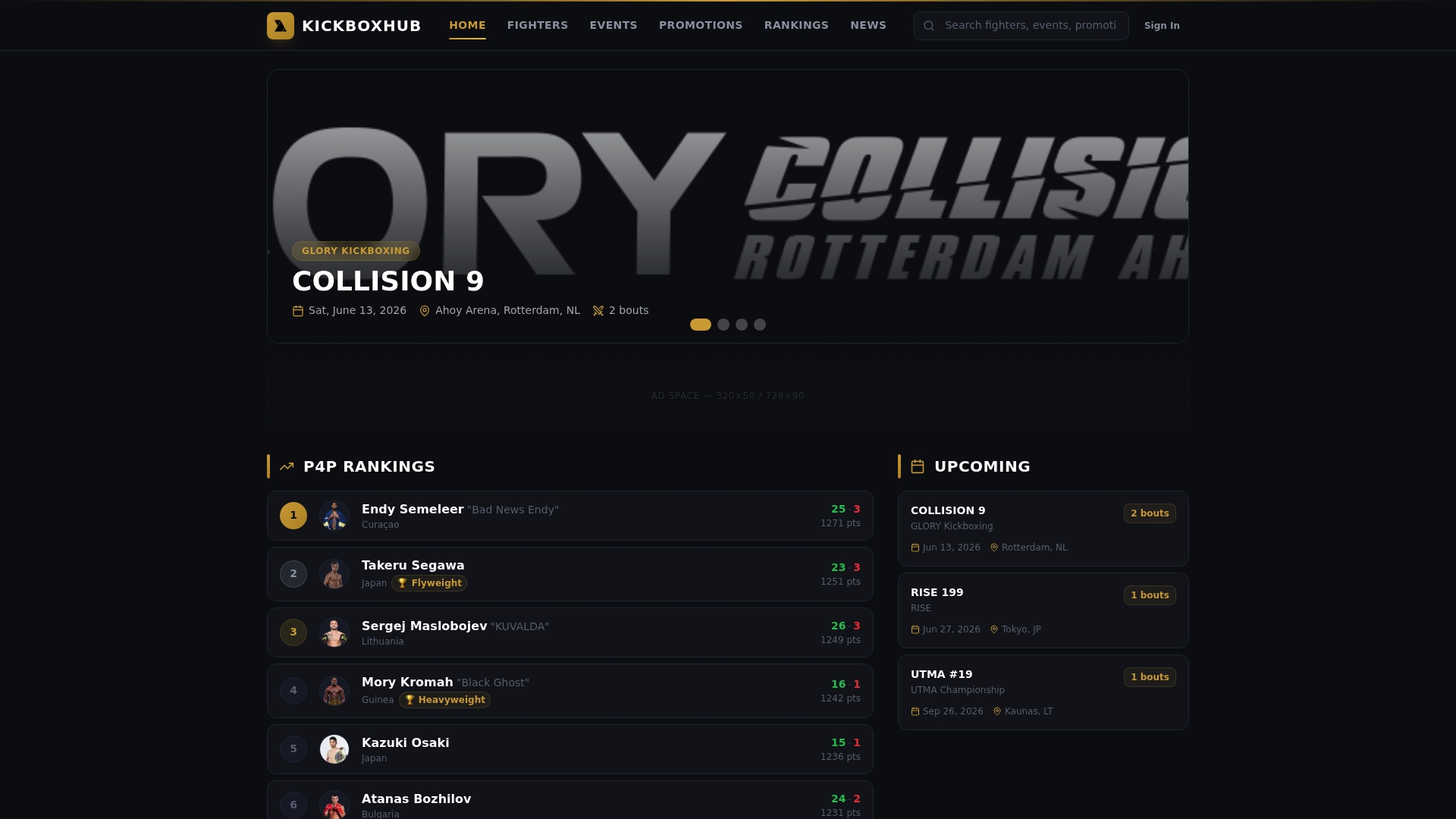
Browse the full kickboxing promotions database to find upcoming tournaments, confirm event schedules, and connect with the competitions you want to follow. Use the prediction leaderboard to test your bracket-reading skills against other fans and see how your fight predictions stack up. Whether you are tracking a GLORY Grand Prix or a regional WKA card, Kickboxhub puts every result, record, and ranking in one place so you never lose the thread.
FAQ
What is a kickboxing tournament bracket?
A kickboxing tournament bracket is a knockout tree that maps fighter matchups from opening bouts through semifinals to the final. One loss eliminates a competitor, and winners advance until one fighter remains.
When are final brackets released before an event?
Final brackets are typically published 2 to 3 hours after weigh-ins conclude. Pre-event brackets released days earlier are provisional and subject to change based on weigh-in results.
How do weigh-in results change a kickboxing bracket?
Fighters who miss weight or withdraw can be reassigned to different weight classes or removed entirely. Under WKA rules, a fighter in a division with only one competitor is automatically moved up one weight class, which reshapes the bracket.
What is the best tool for live kickboxing tournament tracking?
FightControl.net offers real-time match list updates and electronic judge form submissions, making it the most reliable live tracking tool for events that use the platform. Supplement it with the promotion's official social media for confirmed results.
How does kickboxing scoring affect who advances in a bracket?
Judges award points for punches, kicks, sweeps, and knockdowns. The fighter who wins the majority of rounds advances. Understanding these specific scoring techniques lets you read a fight's trajectory before the final decision is announced.
Recommended

Comments (0)
Sign in to leave a comment.
No comments yet. Be the first!